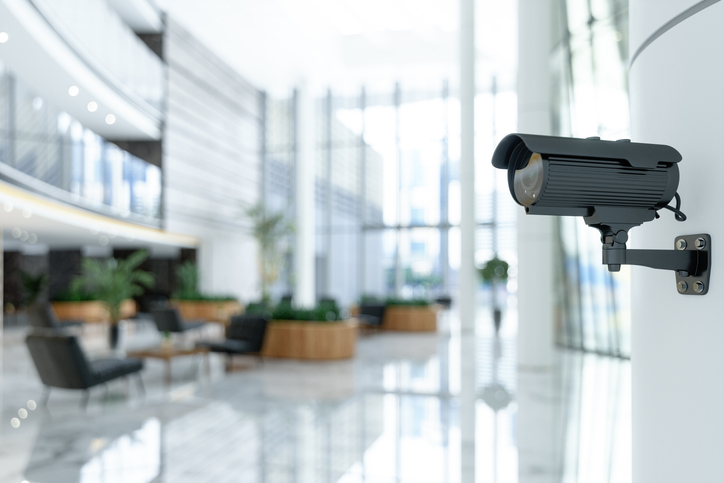
Tourist destinations throughout South Florida attract millions of visitors each year. Areas like Miami Beach are known for hotels, restaurants, nightlife, entertainment venues, shopping districts, and busy pedestrian activity. While these locations contribute significantly to the local economy, high-traffic tourist zones may also create increased risks for criminal activity and preventable injuries.
Property owners and businesses in heavily populated areas have a responsibility to take reasonable measures to maintain safe premises for visitors. When inadequate security contributes to assaults, robberies, or other foreseeable crimes, injured individuals may have grounds to pursue negligent security claims.
As tourism and visitor traffic increase in certain areas, questions about property safety and premises liability often become more important.
What Is a Negligent Security Claim?
Negligent security claims generally fall under premises liability law. These cases involve allegations that a property owner, business, hotel, apartment complex, or other establishment failed to provide reasonable security measures to help protect visitors from foreseeable harm.
Property owners are not automatically responsible for every crime that occurs on their premises. However, when businesses fail to address known safety risks or ignore foreseeable dangers, they may potentially face legal liability if someone is injured.
Examples of inadequate security may include:
- Broken security gates or locks
- Poor lighting in parking areas
- Lack of security personnel
- Failure to monitor surveillance cameras
- Unsecured building access points
- Inadequate crowd control
- Failure to respond to prior criminal activity
Negligent security claims often arise after incidents involving assault, robbery, sexual assault, or other violent crimes occurring on commercial or residential properties.
Why Tourist Zones May Face Increased Security Risks
High-traffic tourist destinations often face unique safety challenges due to large numbers of visitors, crowded venues, and constant activity.
Tourist-heavy areas may involve:
- Increased pedestrian traffic
- Late-night entertainment activity
- Alcohol-related incidents
- Large crowds
- Visitors unfamiliar with the area
- Heavy hotel occupancy
- Parking garage activity
- Rideshare congestion
These factors may increase the likelihood of criminal behavior if property owners fail to implement reasonable safety precautions.
Hotels, bars, restaurants, retail centers, and entertainment venues located in busy tourist districts are often expected to anticipate certain security risks based on the nature of the property and surrounding activity.
For example, a hotel located in a high-crime area with prior reports of criminal activity may have a responsibility to improve lighting, security staffing, or surveillance measures to help protect guests.
Foreseeability in Negligent Security Cases
One of the key legal issues in negligent security claims is foreseeability. Property owners may potentially be held responsible when criminal activity was reasonably foreseeable, and appropriate safety measures were not taken.
Foreseeability may be evaluated by examining factors such as:
- Prior criminal incidents on the property
- Crime rates in the surrounding area
- Previous complaints or security concerns
- The type of business involved
- Patterns of violent or disruptive behavior
In tourist-heavy areas like Miami Beach, businesses that operate late at night or attract large crowds may face higher expectations for security planning and safety procedures.
If a property owner knew or should have known about ongoing safety concerns but failed to address them adequately, injured individuals may argue that negligent security contributed to the incident.
Common Locations for Negligent Security Incidents
Negligent security claims may arise in many different types of tourist-oriented properties.
Common locations include:
- Hotels and resorts
- Parking garages
- Nightclubs and bars
- Shopping centers
- Apartment complexes
- Event venues
- Restaurants
- Entertainment districts
In some cases, inadequate lighting, broken access controls, or a lack of visible security personnel may create environments where preventable crimes are more likely to occur.
Victims of violent crimes may suffer serious physical injuries, emotional trauma, medical expenses, and financial hardship long after the incident occurs.
Investigating Negligent Security Claims
These cases often require extensive investigation to determine whether the property owner failed to provide reasonable security measures.
An investigation may involve reviewing:
- Surveillance footage
- Incident reports
- Prior police activity
- Maintenance records
- Security staffing schedules
- Property inspection records
- Witness statements
Because businesses and property owners may quickly attempt to limit liability after a serious incident, preserving evidence can become extremely important.
Negligent security claims may involve multiple parties, including property owners, management companies, security contractors, or event organizers.
Seeking Legal Guidance After a Negligent Security Incident
Victims of violent crimes often face significant emotional and physical challenges in the aftermath of an incident. While criminal charges may focus on the individual responsible for the attack, negligent security claims examine whether unsafe property conditions also contributed to the harm.
Businesses operating in high-traffic tourist zones are expected to consider the safety risks associated with crowded environments and take reasonable precautions to protect visitors.
Coral Springs Premises Liability Lawyer
If you were injured because of inadequate security at a hotel, business, parking facility, or entertainment venue, The South Florida Injury Law Firm may be able to help you evaluate your legal options. Our firm represents individuals injured due to unsafe property conditions and negligent security throughout Florida.
Contact The South Florida Injury Law Firm today at (888) 906-4423 to discuss your situation and learn more about your legal rights.